
.png)


Guitar Learning Tips for Seniors: A Friendly Guide to Getting Started
- Jeff Powers
- Mar 31
- 3 min read
Learning to play the guitar is a fantastic journey at any age. If you’re a senior thinking about picking up the guitar, you’re in for a rewarding experience. Playing music can boost your mood, improve your memory, and keep your fingers nimble. I’ve gathered some practical tips to help you get started and enjoy every step of the way.
Guitar Tips for Seniors: Making the Most of Your Practice
Starting with the right approach can make learning guitar easier and more fun. Here are some tips tailored just for seniors:
Choose the Right Guitar
Pick a guitar that feels comfortable. For many seniors, a nylon-string classical guitar is easier on the fingers than steel strings. The neck should be slim enough to fit your hand comfortably.
Set Realistic Goals
Don’t rush. Start with simple chords and short practice sessions. Even 10-15 minutes a day can lead to steady progress.
Use a Comfortable Chair and Good Posture
Sit in a chair that supports your back. Keep your feet flat on the floor and the guitar resting comfortably on your leg.
Warm Up Your Hands
Before playing, gently stretch your fingers and wrists. This helps prevent stiffness and injury.
Practice Regularly but Take Breaks
Consistency is key, but don’t overdo it. If your fingers feel sore, take a break and try again later.
Use a Guitar Tuner
Playing on a well-tuned guitar sounds better and helps train your ear.
Learn Songs You Love
Pick songs that excite you. This keeps motivation high and practice enjoyable.

Can a 70 Year Old Learn to Play the Guitar?
Absolutely! Age is just a number when it comes to learning music. Many people start playing guitar well into their 70s and beyond. The key is patience and a positive attitude.
At 70, your hands might move a bit slower, and your fingers may feel stiffer than when you were younger. But with gentle practice and the right techniques, you can overcome these challenges. Here are some tips specifically for older beginners:
Start Slow
Focus on mastering one chord or scale at a time.
Use Finger Exercises
Simple finger stretches and exercises can improve dexterity.
Consider Adaptive Tools
Items like finger picks or lighter gauge strings can make playing easier.
Stay Positive
Celebrate small wins. Every chord you learn is a step forward.
Remember, learning guitar is about enjoying the process, not just the destination. Many seniors find that playing music brings joy and a sense of accomplishment.
Finding the Right Resources and Support
Learning guitar is easier with good guidance. Here’s how to find the best resources:
Online Lessons
There are many online platforms offering guitar lessons for seniors. These let you learn at your own pace from home.
Local Classes
Check community centers or music schools for beginner classes tailored to older adults.
Private Instructors
A personal teacher can customize lessons to your needs and keep you motivated.
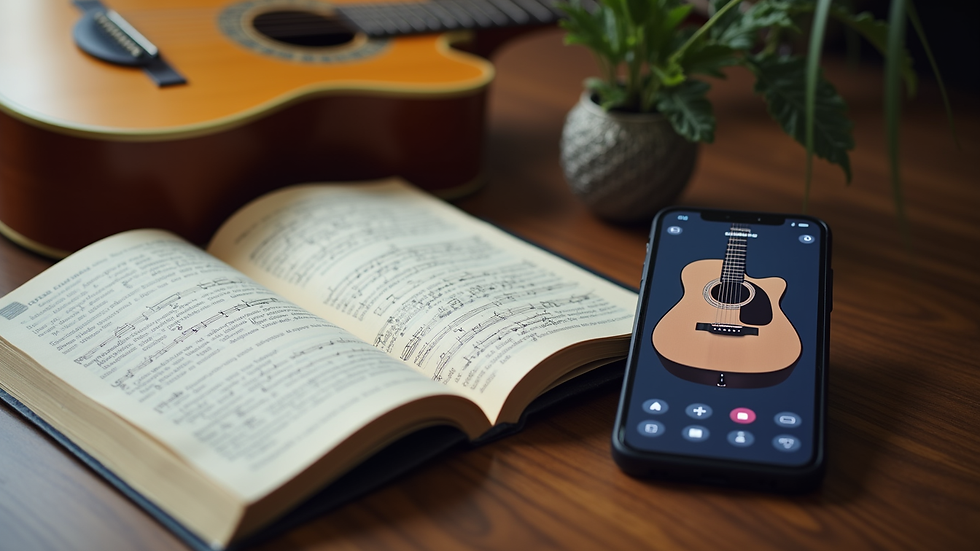
Books and Apps
Use beginner-friendly books and apps that include videos and interactive exercises.
If you want a structured approach, consider guitar lessons for seniors. These lessons are designed to fit your pace and style, making learning enjoyable and effective.
Tips for Overcoming Common Challenges
Learning guitar as a senior comes with some unique challenges. Here’s how to tackle them:
Finger Pain
It’s normal to feel some discomfort at first. Use lighter strings and press just enough to get a clear sound. Over time, calluses will form, making playing easier.
Memory and Coordination
Practice regularly to build muscle memory. Break songs into small parts and repeat them slowly.
Vision Issues
Use large-print chord charts or apps with adjustable font sizes.
Motivation
Join a group or find a practice buddy. Sharing your progress keeps things fun.
Physical Limitations
Adapt your playing style. For example, use a capo to change the key and make chords easier.
Keeping the Joy Alive: Playing Music You Love
The best way to stick with guitar is to play music that makes you happy. Whether it’s classic rock, folk, blues, or country, find songs that inspire you.
Create a Playlist
Gather your favorite songs and learn them one by one.
Record Yourself
Listening back can show your progress and boost confidence.
Play Along with Recordings
This helps with timing and makes practice more enjoyable.
Join a Group or Jam Session
Playing with others adds a social element and keeps you motivated.
Remember, the guitar is a tool for expression and fun. Don’t worry about perfection. Enjoy the music and the journey.
Learning guitar as a senior is a wonderful way to keep your mind sharp and your spirits high. With the right approach, patience, and a bit of practice, you can play the music you love. So grab your guitar, start strumming, and let the music brighten your days!

Comments